

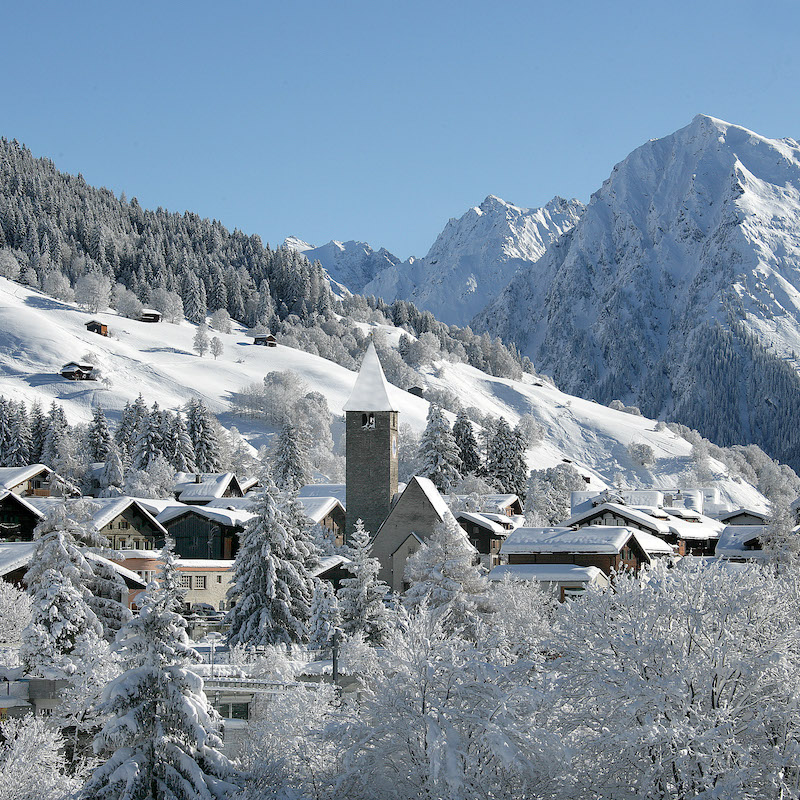
Davos Klosters During the World Economic Forum 2026
very January, the eyes of the world turn to a serene Alpine valley where snow-dusted peaks rise above two remarkably different communities: the cosmopolitan mountain city of Davos and the elegant, traditional village of Klosters. Together they form the setting for one of the most important global gatherings of the year. The World Economic Forum Annual Meeting, taking place from 19–23 January 2026.
This year’s theme, “A Spirit of Dialogue,” calls leaders to come together with openness, curiosity, and a renewed willingness to collaborate. More than 2,500 participants from government, business, academia, civil society, and the arts will converge here to explore the future of cooperation, responsible innovation, global growth and the pressing need to build prosperity within the limits of our planet. With rapid digital transformation, AI regulation, economic disruption and geopolitical uncertainty shaping the agenda, the 2026 meeting promises to be one of the most pivotal in recent years.

Why Davos Became the Home of the World Economic Forum
Davos has hosted the WEF since 1971, when founder Klaus Schwab deliberately chose the Alpine town for its peaceful setting and political neutrality. Schwab found a combination he believed would help leaders think beyond the noise of their daily environments. Over the decades, the world has come to associate Davos with a distinctive atmosphere of candid conversation, informal connection and unexpected breakthroughs. This is often referred to as the “Spirit of Davos.”
The Alpine isolation plays a significant role. The journey into the mountains naturally levels hierarchy and creates a shared sense of purpose. The Swiss tradition of neutrality encourages honesty without the pressure of political theatre. The village like setting, despite the city infrastructure, invites discussions that are more personal, less transactional and often more productive. Historic diplomatic steps, from early North/South Korea talks to progress between Greece and Macedonia, first took shape in this environment. It remains a place where leaders can step away from the world’s intensity and, for a moment, see the bigger picture.
Why Many WEF Attendees Choose Klosters
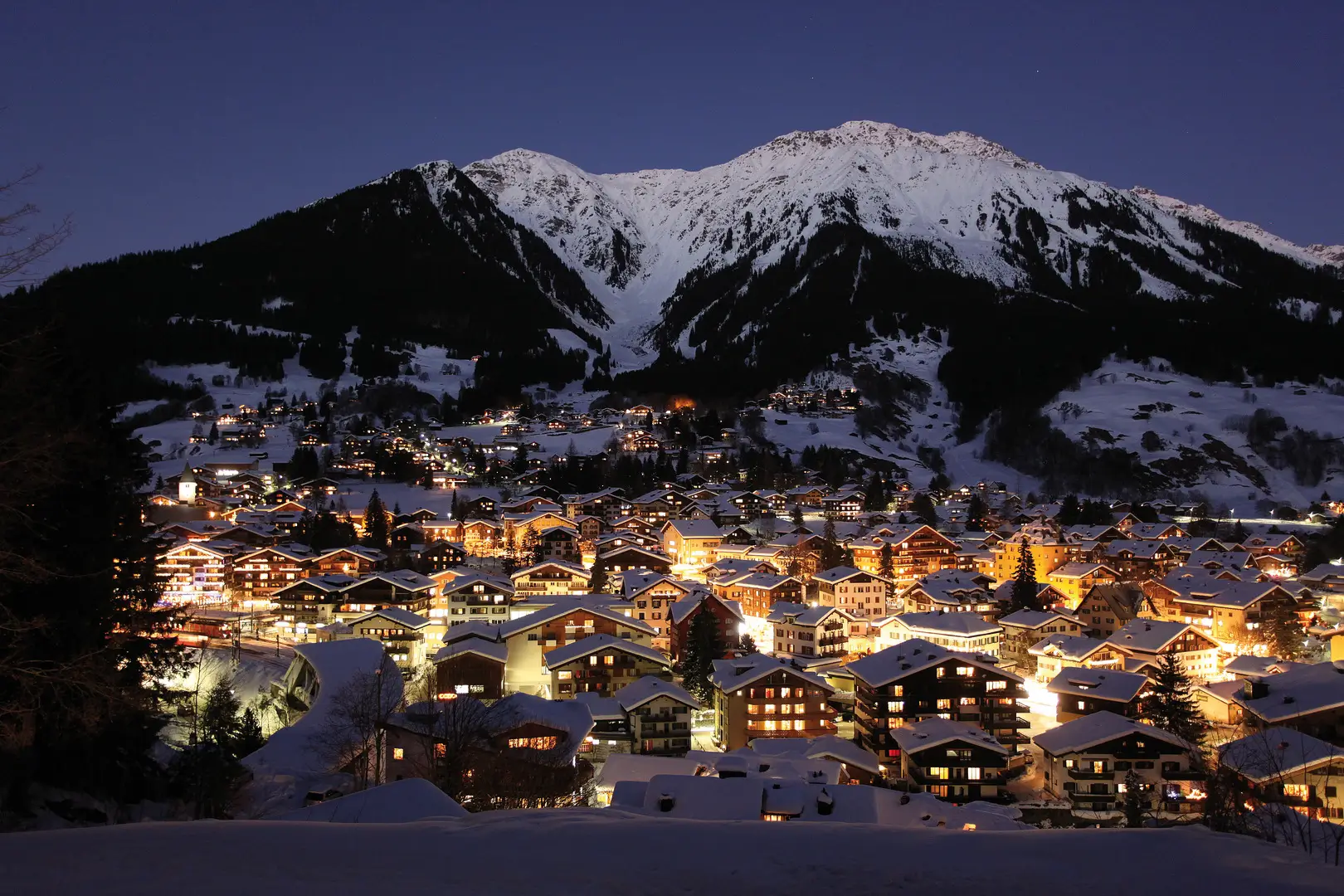
During the annual gathering, Davos becomes an intricate, high-security hub, with roads restricted, hotels fully booked and the town pulsing with official delegations, media, CEOs and security personnel. For many attendees, especially those seeking tranquillity and privacy, Klosters has become the preferred base.
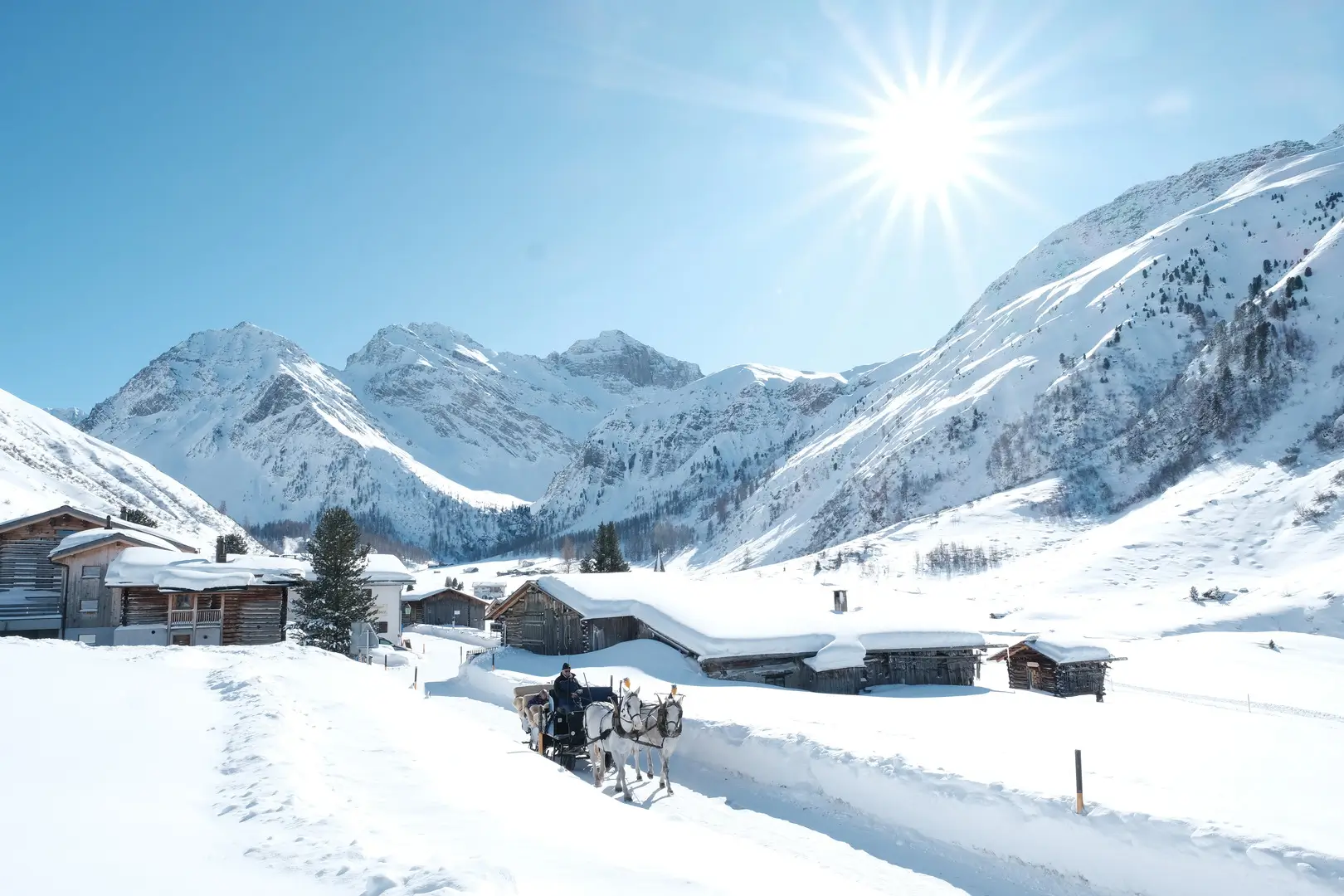
Just 12 kilometres from Davos and around 30 minutes’ drive away, Klosters offers a peaceful contrast. Its understated elegance is a welcome escape after long days of meetings, panels and evening events. While Davos is modern and energetic, Klosters remains charmingly traditional, with classic Alpine Swiss chalets, and an atmosphere that feels more like a retreat than a summit headquarters. Even the skiing reflects this calm; during WEF week, the slopes are often beautifully quiet as most participants remain immersed in sessions.
For guests who want proximity to the Forum without the constant movement and intensity of Davos itself, Klosters offers a perfect balance.
A Region Shaped by Alpine Heritage
Set in the Swiss canton of Graubünden, Davos is the highest city in Europe, sitting at about 1,560 meters (5,120 ft) above sea level. Known for its crisp mountain air, sweeping plateau, and long history as a health retreat it is often seen as an unlikely place for an event of such global significance.
Just a short journey down the valley lies Klosters, a place where traditional wooden chalets, horse-drawn sleighs and timeless Alpine charm still define the landscape. Together, Davos and Klosters form a region steeped in winter heritage and deeply connected to the origins of alpine skiing.
In the late 19th century, Davos Klosters became the birthplace of downhill skiing. The German ski pioneer W. Paulke made the first documented ski descent here in 1883, sparking a wave of winter tourism that transformed the region. A decade later, adventurous early skiers traversed the Maienfeld Furka toward Arosa, and in 1894 a group of English skiers, caught in a fierce storm, mistakenly descended into Küblis. A wrong turn that created the now-famous Parsenn downhill run. The first Alpine downhill race followed in 1913, and the Parsenn Derby, launched in 1924, became one of Europe’s great ski events. Today, this history remains woven into the region’s identity, from the sweeping ski areas to the proud local tradition of winter sport.
Chalet Maldeghem: A Private Alpine Chalet for the World Economic Forum 2026
For those seeking a luxurious, private and comfortable base during the World Economic Forum, Chalet Maldeghem stands out as an exceptional choice. Set in one of Klosters’ most exclusive neighbourhoods, the chalet is both elegant and wonderfully homely, offering the rare combination of complete privacy and full-service comfort making it ideal for executives, delegations, families or small groups attending the Forum.
Guests enjoy exclusive use of the entire chalet, with a dedicated private chef crafting a bespoke menu, along with a host / housekeeper ensuring every detail is seamless. A concierge service is also ready to arrange transport, reservations, and wellness treatments.
After a long day at the Congress Centre, returning to the warmth of Chalet Maldeghem guest can enjoy soft ambient lighting, a cosy firelit lounge, and calm Alpine views. All providing a restorative counterbalance to the intensity of the Forum.
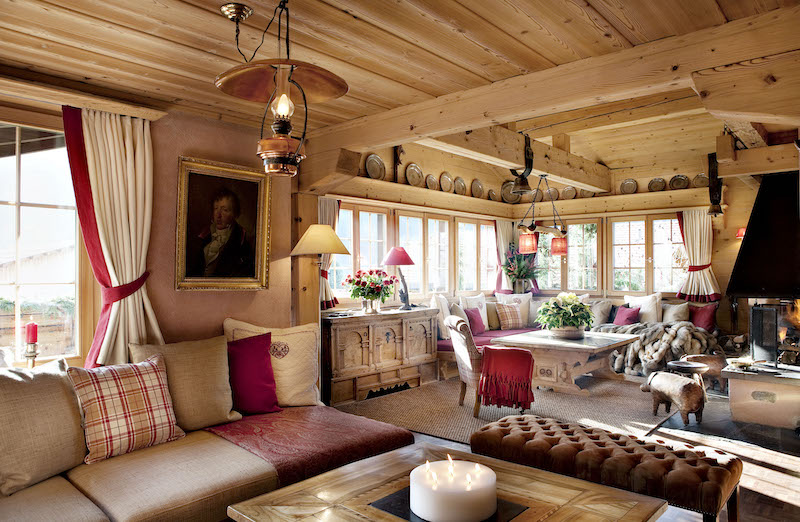
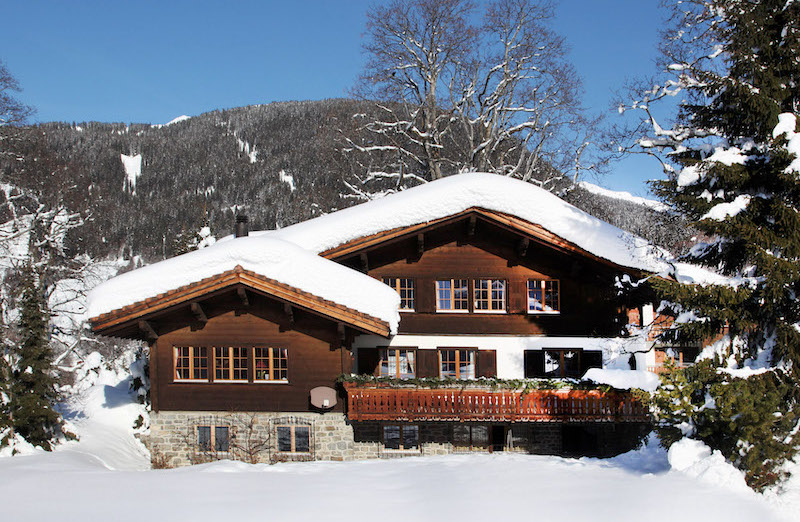
Chalet Maldeghem offers convenience without compromise, making it an ideal base for WEF attendees who value comfort, discretion and space to unwind.
Explore the chalet’s full services here.
Planning Your Stay for WEF 2026
Chalet Maldeghem is welcoming enquiries for exclusive-use bookings during the World Economic Forum and surrounding weeks. To check availability, please email us directly.
Useful Links Davos
Klosters WEF Information:
https://www.davos.ch/en/information/meeting-place/world-economic-forum
World Economic Forum Official Page:
https://www.weforum.org/meetings/world-economic-forum-annual-meeting-2026/
WEF 2026 News & Coverage:
https://fintechmagazine.com/news/wef-davos-2026-economic-disruption-and-digital-change
https://businesschief.com/news/wef-whats-on-the-agenda-at-davos-2026